Comparing Mechanical and Electronic Diesel Level Gauges
Understanding Diesel Tank Level Gauges
What is a Diesel Level Gauge?
A diesel level gauge measures the amount of diesel fuel in storage tanks, providing essential information for fuel management. These gauges help operators monitor fuel levels, ensuring that diesel remains available for machinery, vehicles, or generators. The gauge displays the current level of diesel, allowing for timely refills and efficient operations. Accurate fuel measurements prevent overfilling or running out of diesel, which can lead to operational downtime. Understanding how these gauges function is crucial for any industry relying on diesel fuel, whether for transportation, construction, or agriculture.
Importance of Accurate Measurements in Fuel Management
Accurate measurements of diesel fuel in storage tanks play a critical role in effective fuel management. Knowing the exact level of diesel helps avoid costly interruptions. Inconsistent fuel levels can result in equipment malfunctions, operational delays, and increased expenses due to emergency refueling. Moreover, precise fuel measurements assist in budgeting and financial planning, as they directly relate to fuel consumption rates. Monitoring diesel levels also enables companies to track fuel usage trends, which can reveal opportunities for efficiency improvements. In essence, maintaining accurate fuel levels ensures smooth operations and minimizes unnecessary expenditures.
Types of Diesel Gauges Available
Diesel level gauges come in various types, each designed to fit specific needs and environments. The two primary categories are mechanical and electronic gauges. Mechanical gauges utilize float mechanisms to provide readings based on the diesel level in the tank. In contrast, electronic gauges employ sensors and digital displays for precise, real-time measurements. Other variations include sight gauges, which offer a visual representation of fuel levels, and ultrasonic gauges, which use sound waves for measurement. Understanding the differences among these diesel gauges allows operators to choose the best option based on their operational requirements and tank configurations.
Mechanical Diesel Level Gauges
How Mechanical Gauges Work
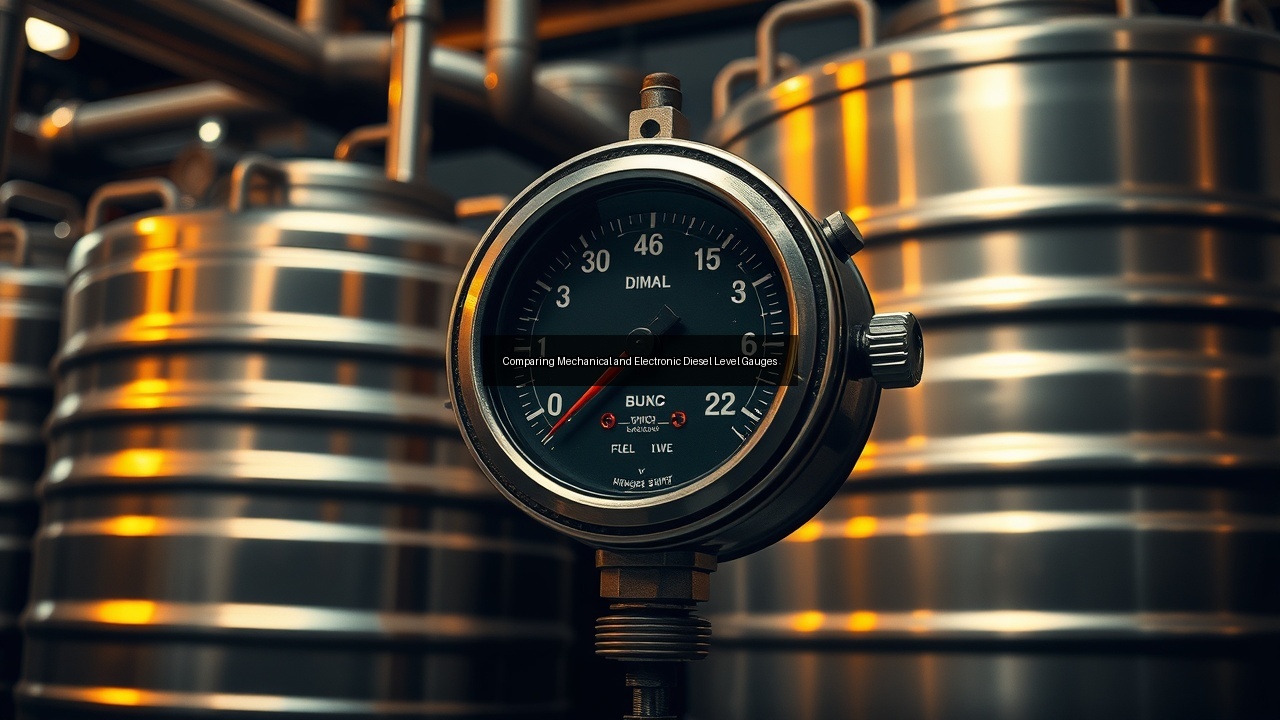
Mechanical diesel level gauges operate using a simple yet effective float mechanism. A buoyant float rises and falls with the diesel level in the tank. This movement translates into a readable measurement on the gauge, usually marked in liters or gallons. A connecting rod links the float to a dial, providing a visual indication of the current fuel level. Mechanical gauges require minimal maintenance and do not rely on electricity, making them reliable in various conditions. Despite their simplicity, they perform well in many storage tank applications, providing a straightforward solution for monitoring diesel levels.
Advantages of Mechanical Gauges
Mechanical diesel gauges offer several advantages, particularly in terms of reliability and ease of use. Their straightforward design ensures that they do not require complex wiring or electronic components, reducing the potential for failure. Mechanical gauges function effectively in harsh environments, providing accurate readings regardless of temperature fluctuations. Additionally, they are typically less expensive than their electronic counterparts, making them an economical choice for many operations. Since they don’t require power, mechanical gauges can be installed in remote locations where electricity is not available, further enhancing their versatility.
Common Applications in Storage Tanks
Mechanical diesel level gauges find widespread applications in various industries that utilize storage tanks. They are commonly used in agricultural settings to monitor fuel levels for machinery and tractors. In construction, these gauges help manage diesel fuel for equipment like generators and excavators. Transportation companies also rely on mechanical gauges to ensure that trucks and vehicles remain fueled for long hauls. Their rugged design makes them suitable for outdoor conditions, often found in fueling stations and remote fueling sites. Overall, mechanical gauges provide a reliable solution for monitoring diesel levels across diverse applications.
Electronic Diesel Level Gauges
Functionality of Electronic Gauges
Electronic diesel level gauges utilize advanced technology to provide precise fuel level measurements. These gauges often employ capacitive, ultrasonic, or pressure-based sensors to detect the level of diesel within a tank. The sensor data transmits to a digital display, providing real-time updates that are easy to read. Many electronic gauges include additional features, such as alarms for low fuel levels or integration with fuel management systems. This technology allows for a higher degree of accuracy and can help track fuel consumption over time, making them a preferred choice for larger operations that require meticulous fuel management.
Benefits of Using Electronic Gauges
Electronic diesel gauges offer several key benefits that enhance fuel management processes. Their accuracy surpasses that of mechanical gauges, providing more reliable data for decision-making. Digital displays often provide additional information, such as historical fuel usage trends, which can help optimize operational efficiency. Many electronic models also feature connectivity options, allowing for remote monitoring and integration with fleet management systems. This connectivity can lead to quicker reaction times for refueling and better overall management of diesel resources. While they may involve a higher initial investment, the long-term benefits make electronic gauges an attractive option for many businesses.
Comparative Analysis with Mechanical Gauges
When comparing mechanical and electronic diesel level gauges, several factors come into play. Mechanical gauges provide simplicity and reliability, ideal for basic fuel management needs. They require minimal maintenance and are less prone to failure in harsh conditions. However, they lack the advanced features and accuracy of electronic gauges. Electronic gauges, while more complex and often more expensive, offer enhanced precision and additional functionalities, such as remote monitoring and data logging. Choosing between the two depends on the specific requirements of the operation, including budget constraints, environmental conditions, and the need for real-time data.
Choosing the Right Diesel Gauge for Your Needs
Factors to Consider When Selecting a Diesel Level Gauge
Selecting the appropriate diesel tank level gauge involves evaluating several critical factors. First, consider the tank size and type, as this influences the compatibility of the gauge. Mechanical gauges might suffice for smaller tanks, while larger operations may benefit from the precision of electronic models. Additionally, assess the installation environment. Gauges in extreme conditions may require rugged designs that can withstand temperature fluctuations and exposure to elements. Another important factor is the operational requirements—if real-time monitoring and data analysis are essential, electronic gauges become more appealing. Budget also plays a significant role, as businesses must balance upfront costs with long-term benefits.
Impact of Gauge Selection on Downtime and Efficiency
The choice of diesel gauge significantly impacts operational efficiency and downtime. Accurate fuel readings help prevent unexpected outages, allowing for planned refueling schedules. Mechanical gauges, while reliable, may not provide the detailed data needed for larger operations. In contrast, electronic gauges offer insights into fuel consumption patterns, enabling businesses to identify inefficiencies and make informed adjustments. These insights can lead to reduced operational costs and enhanced productivity. By investing in the right gauge, companies can minimize downtime and optimize fuel management, ultimately driving profitability.
Case Study: Krueger Sentry vs. Traditional Gauges
A practical example of gauge selection is the comparison between the Krueger Sentry electronic gauge and traditional mechanical gauges. The Krueger Sentry offers advanced features such as real-time monitoring, automated alerts for low fuel levels, and integration with management systems. In a recent case study, a logistics company switched from mechanical gauges to the Krueger Sentry and reported a 30% reduction in downtime due to fuel shortages. The electronic gauge provided precise measurements and improved visibility into fuel usage trends, allowing for proactive management. This case illustrates how modern technology can enhance fuel management, making a compelling argument for businesses to consider electronic options.