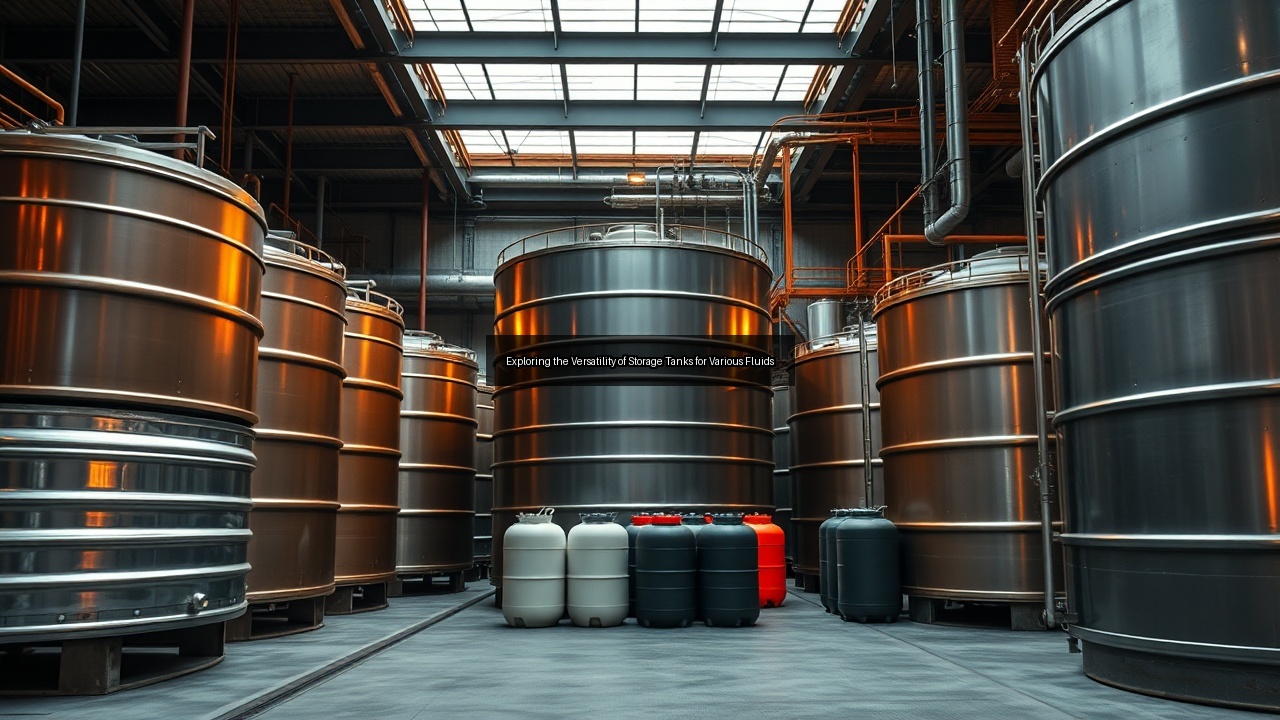
Exploring the Versatility of Storage Tanks for Various Fluids
Understanding Oil Storage Containers
Types of Oil Storage Tanks
Oil storage containers come in various types, each designed to meet specific needs. The most common types include above-ground storage tanks (ASTs) and underground storage tanks (USTs). ASTs offer easy access for inspection and maintenance, making them suitable for both residential and commercial applications. USTs, on the other hand, are typically used for larger operations where space is limited. Other variations include horizontal and vertical tanks, each with its advantages regarding space utilization and volume capacity. For smaller quantities of oil, drums and plastic containers serve as efficient storage solutions, versatile enough for different fluid types.
Materials Used in Oil Tanks
The construction materials of oil storage tanks significantly influence their durability and functionality. Common materials include steel, fiberglass, and plastic. Steel tanks often feature a protective coating to resist corrosion caused by oil and environmental elements. Fiberglass tanks provide excellent resistance to chemical damage, making them a preferred choice in many applications. Plastic containers offer lightweight options for smaller quantities of oil while maintaining resistance to rust and corrosion. When selecting an oil storage container, consider the fluid's chemical properties and the tank's material compatibility to ensure longevity and safety.
Capacity Considerations: Gallons, Liters, and Quarts
Understanding capacity is crucial when choosing oil storage tanks. Tanks are available in various sizes, typically measured in gallons, liters, or quarts. Residential tanks may hold anywhere from 275 gallons to 1,000 gallons, while commercial storage tanks can exceed 10,000 gallons. In liters, this translates to approximately 1,040 to 3,785 liters for residential options and upwards of 37,850 liters for industrial tanks. Quarts, a smaller measurement, often assists in determining smaller lubricant quantities. Always calculate your specific storage needs based on usage frequency and fluid types to select the right capacity for your oil storage containers.
Applications of Oil Storage Tanks
Oil and Gas Storage Solutions
Oil and gas storage solutions encompass a wide array of applications, from residential heating oil tanks to large-scale industrial facilities. These tanks play a pivotal role in ensuring a steady supply of fuel for various operations, including power generation and transportation. In the oil and gas sector, storage tanks must adhere to strict regulatory standards to prevent leaks and environmental contamination. Companies often utilize advanced monitoring systems that track fluid levels and detect potential issues, ensuring both safety and compliance. The versatility of oil tanks allows them to accommodate various oil grades, including refined products and crude oil, meeting the diverse needs of the industry.
Lubricants and Their Storage Needs
Lubricants require specific storage conditions to maintain their efficacy and safety. Oil storage containers designed for lubricants often feature unique designs that minimize contamination and degradation. Lubricants must be stored in clean, dry environments to prevent moisture absorption, which can compromise their performance. Many businesses opt for specialized drums or plastic containers that offer protection against environmental factors. Additionally, gravity feed systems frequently play a role in lubricant storage, allowing for easy dispensing without the risk of spills. Understanding the unique storage needs of lubricants helps ensure optimal performance and longevity of these essential fluids.
Gravity Feed Systems in Oil Tanks
Gravity feed systems in oil tanks provide a simple yet effective method for dispensing oil and other fluids. These systems rely on the natural force of gravity to move oil from the storage tank to the desired location, eliminating the need for pumps in many applications. This approach minimizes mechanical failures and reduces maintenance costs, making it an attractive option for various industries. Gravity feed systems require careful design to ensure consistent flow rates and prevent spills. When integrating a gravity feed system, consider factors such as tank height, outlet design, and the viscosity of the stored oil to optimize performance.
Innovative Features of Modern Storage Tanks
Cage and Plastic Container Designs
Modern storage tanks feature innovative designs that enhance functionality and safety. Cage designs provide additional security for stored fluids, protecting against unauthorized access and environmental hazards. These cages often incorporate features such as locking mechanisms and reinforced structures to prevent tampering. Plastic container designs have also evolved significantly, offering lightweight options that are easier to transport and store. These containers often feature ergonomic handles, spouts, and lids designed to minimize spills and leaks oil container during use. The combination of cage and plastic designs enhances the versatility of oil storage containers, making them suitable for various environments.
Safety Features in Oil Storage Containers
Safety remains a top priority in the design of oil storage containers. Modern tanks incorporate advanced safety features to prevent spills, leaks, and accidents. Secondary containment systems, such as double-walled tanks, provide an additional layer of protection against potential leaks. Many tanks now include automatic shut-off valves that activate during overfill situations to prevent fluid spillage. Additionally, monitoring systems equipped with sensors can alert users to changes in fluid levels or potential hazards. These safety innovations not only protect the environment but also ensure compliance with regulatory standards, safeguarding both personnel and property.
Environmental Considerations in Tank Design
Environmental considerations are integral to modern tank design, reflecting a growing awareness of ecological responsibility. Manufacturers now prioritize sustainable materials and practices in producing oil storage containers. Tanks designed to minimize environmental impact often utilize recyclable materials and feature energy-efficient production processes. Moreover, spill containment measures are critical in preventing environmental contamination. Many oil storage tanks now include features that enable quick clean-up and minimize waste. By adhering to environmental standards, businesses not only comply with regulations but also contribute to a healthier planet, aligning their operations with sustainability goals.
Best Practices for Oil Storage
Maintenance and Inspection of Storage Tanks
Regular maintenance and inspection of oil storage tanks are vital for ensuring their longevity and safety. Routine checks should include monitoring for leaks, corrosion, and structural integrity. Implementing a maintenance schedule helps identify potential issues before they escalate, minimizing risks. Additionally, cleaning tanks periodically prevents contamination and degradation of stored oil. Many companies use professional services for thorough inspections, ensuring compliance with industry standards. Documentation of maintenance activities serves as a valuable record for regulatory compliance and can provide insights into the tank's performance over time.
Choosing the Right Tank for Your Needs
Selecting the right oil storage tank involves assessing various factors, including capacity, material, and intended use. Evaluate your specific storage needs based on the volume of oil you intend to store and the types of fluids involved. Consider the tank's location, as this may influence the choice between above-ground and underground options. Additionally, factor in local regulations and environmental conditions that may affect tank performance and compliance. Consulting with professionals in the field can provide valuable insights to help you make informed decisions that enhance safety and efficiency in your oil storage practices.
Regulatory Compliance for Oil Storage
Regulatory compliance governs the operation and maintenance of oil storage tanks, ensuring safety and environmental protection. Organizations must be aware of local, state, and federal regulations that dictate storage practices, installation requirements, and reporting obligations. Regular training for personnel involved in oil storage operations is essential to ensure adherence to these regulations. Documentation of compliance efforts, such as inspection reports and maintenance records, holds significant importance during audits. By prioritizing regulatory compliance, businesses can mitigate risks, avoid penalties, and promote a culture of safety and responsibility in their operations.